English
  cn
cn
In precision instrument manufacturing, small variations in fluid connections can create problems that are much larger than the components themselves. Differences in tubing length, fitting installation, connection methods, or assembly quality can affect fluid flow, leakage performance, maintenance time, and the repeatability of finished systems. For manufacturers producing instruments in batches, controlling these variables is essential.
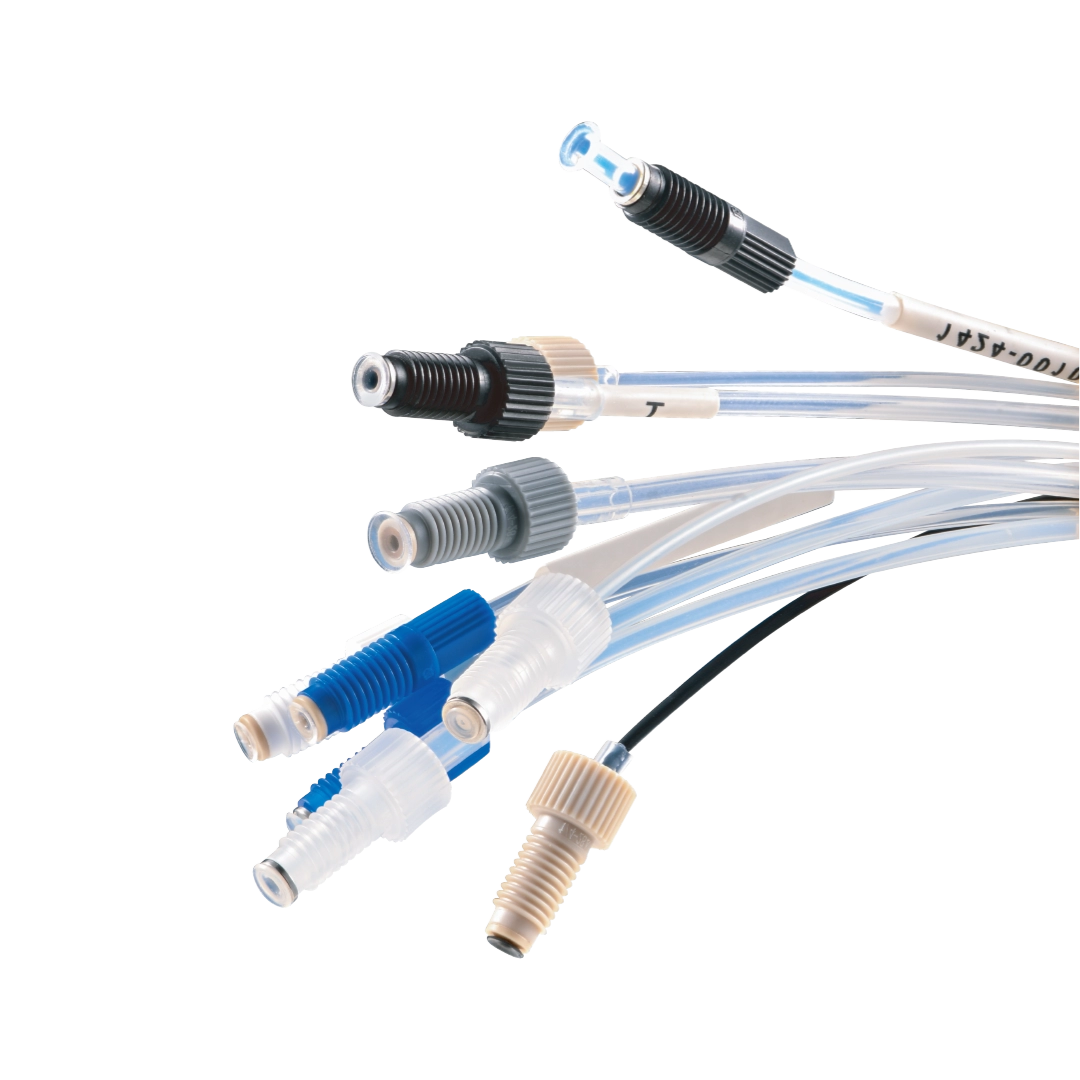
This is where Tubing Assemblies can provide a practical advantage. Instead of sourcing individual tubing and fittings and assembling them repeatedly during final instrument production, manufacturers can use pre-assembled tubing components that are prepared according to defined system requirements. The result is a more consistent connection solution that can be installed as a ready-to-use component.
For instrument manufacturers looking to increase production capacity without adding unnecessary assembly complexity, pre-assembled tubing can help create a more controlled and repeatable manufacturing process.
Why Tubing Consistency Matters in Instrument Manufacturing
Many instruments rely on controlled fluid or gas movement. Medical devices, diagnostic equipment, analytical instruments, and environmental systems may all contain tubing networks that connect pumps, valves, sensors, chambers, filters, or other fluid-control components.
When these connections are assembled manually, the process may involve several separate operations. Workers need to select the correct tubing, prepare the ends, install fittings, confirm the connection, and check whether the completed assembly matches the required configuration.
Even when every component meets its specification, variations can occur during manual assembly. For example, inconsistent tubing lengths can affect routing inside compact equipment, while differences in fitting installation may increase troubleshooting requirements.
Pre-assembled components change this workflow by moving much of the assembly work away from the final instrument production line. The manufacturer receives a component that has already been configured for its intended application.
This approach is particularly useful when the same tubing configuration is required repeatedly across multiple units.
Pre-Assembled Tubing Creates a More Repeatable Process
One of the main advantages of Tubing Assemblies is consistency.
A pre-assembled tubing component can be produced according to an established configuration, including the required tubing arrangement and fittings. Once the design has been validated, the same assembly can be supplied for subsequent production batches.
For an instrument manufacturer, this means fewer variables need to be controlled at the final assembly station.
Instead of asking operators to reproduce the same tubing connection from individual components every time, the production team can install a prepared assembly following the same procedure. This can make work instructions easier to standardize and reduce differences between operators.
The benefit becomes more noticeable as production volume increases. A manual tubing process that seems manageable for a small number of instruments can become time-consuming when hundreds or thousands of units require similar connections.
Standardized pre-assembled tubing provides a way to make that process more predictable.
Reducing Fitting and Tubing Troubleshooting
Tubing-related troubleshooting can consume production and engineering resources.
If an instrument has a connection problem, technicians may need to determine whether the issue comes from the tubing, fitting, routing, connection method, or another component in the fluid path. When tubing is assembled individually during final production, the number of possible assembly-related variables can increase.
With pre-assembled components, many of these variables are controlled before the component reaches the instrument assembly line.
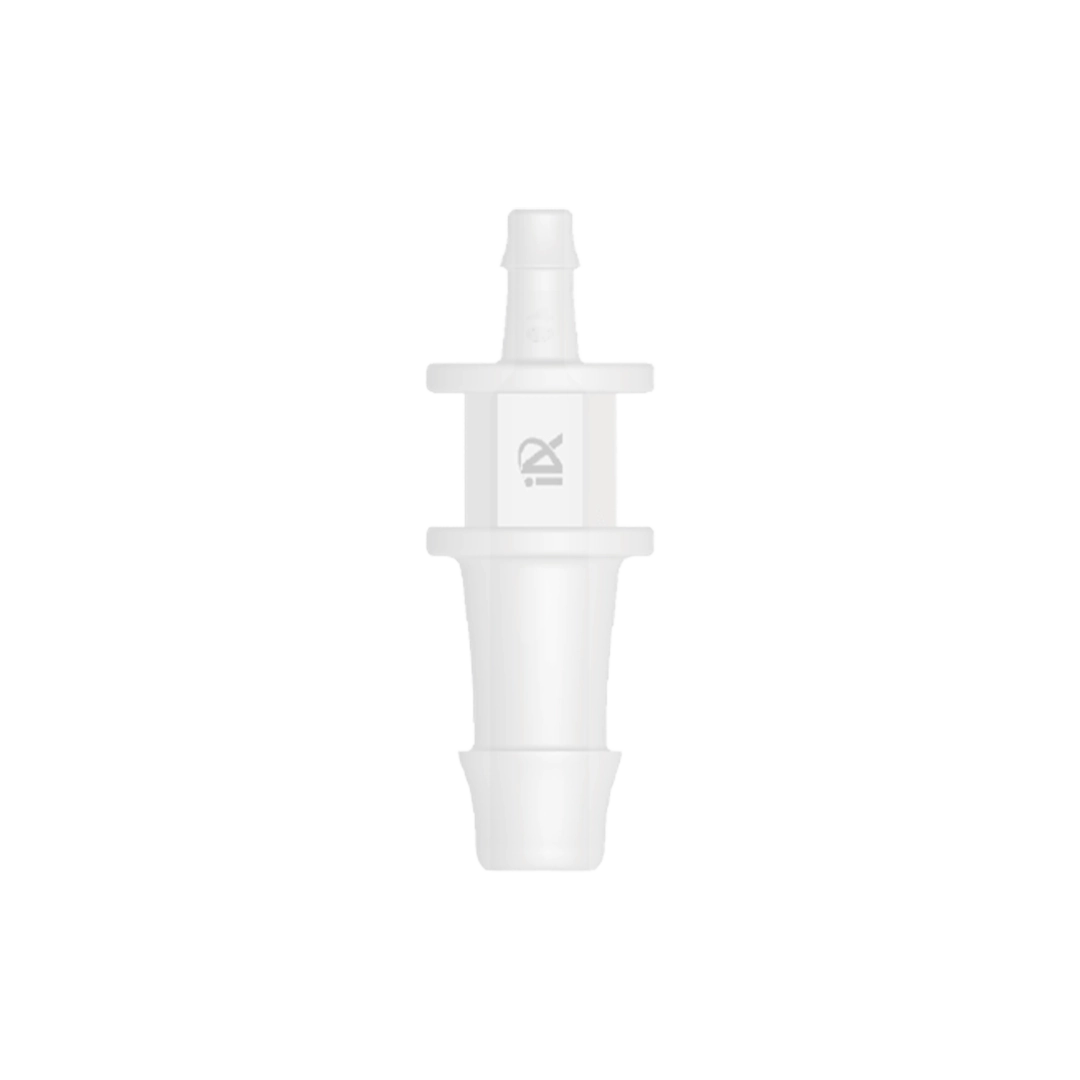
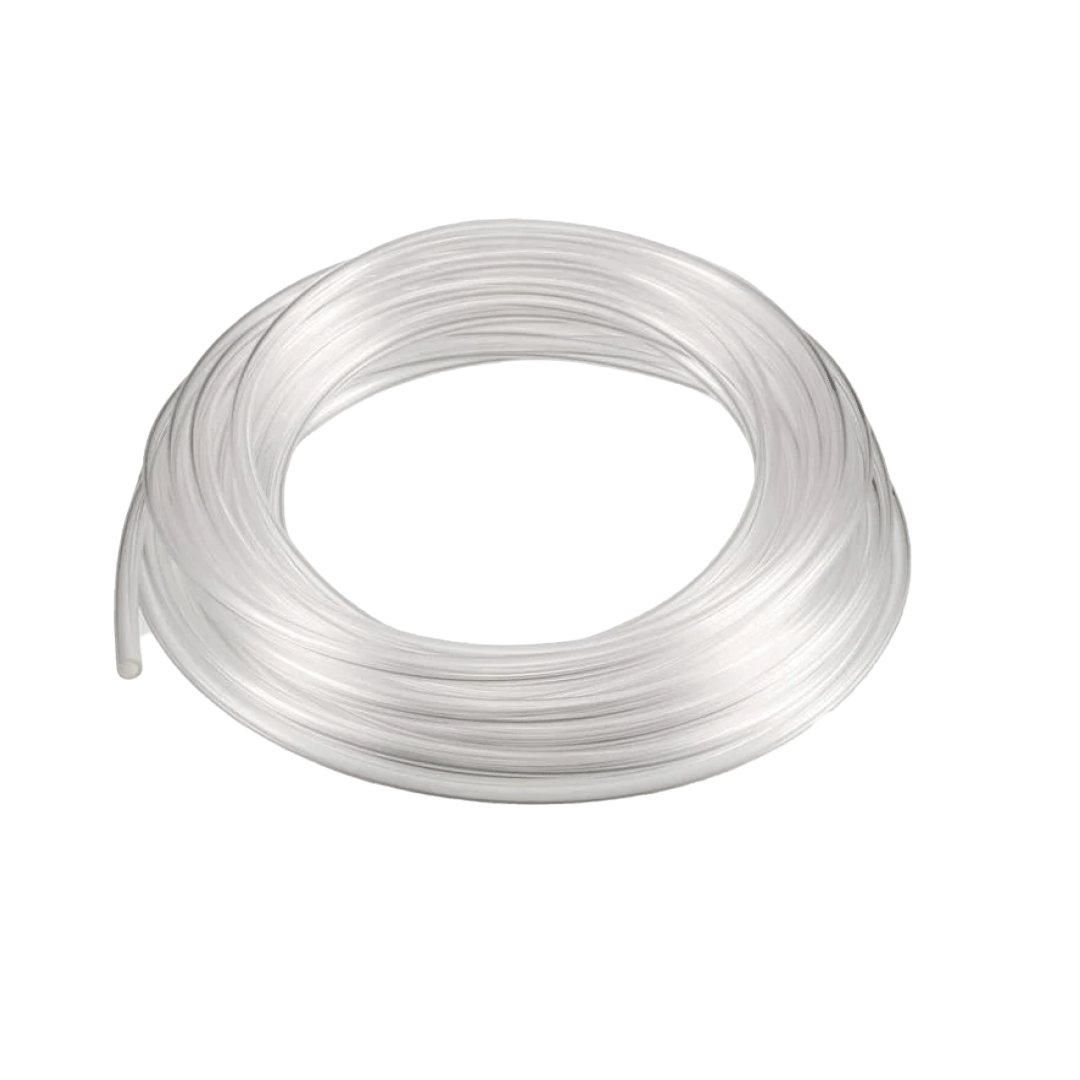
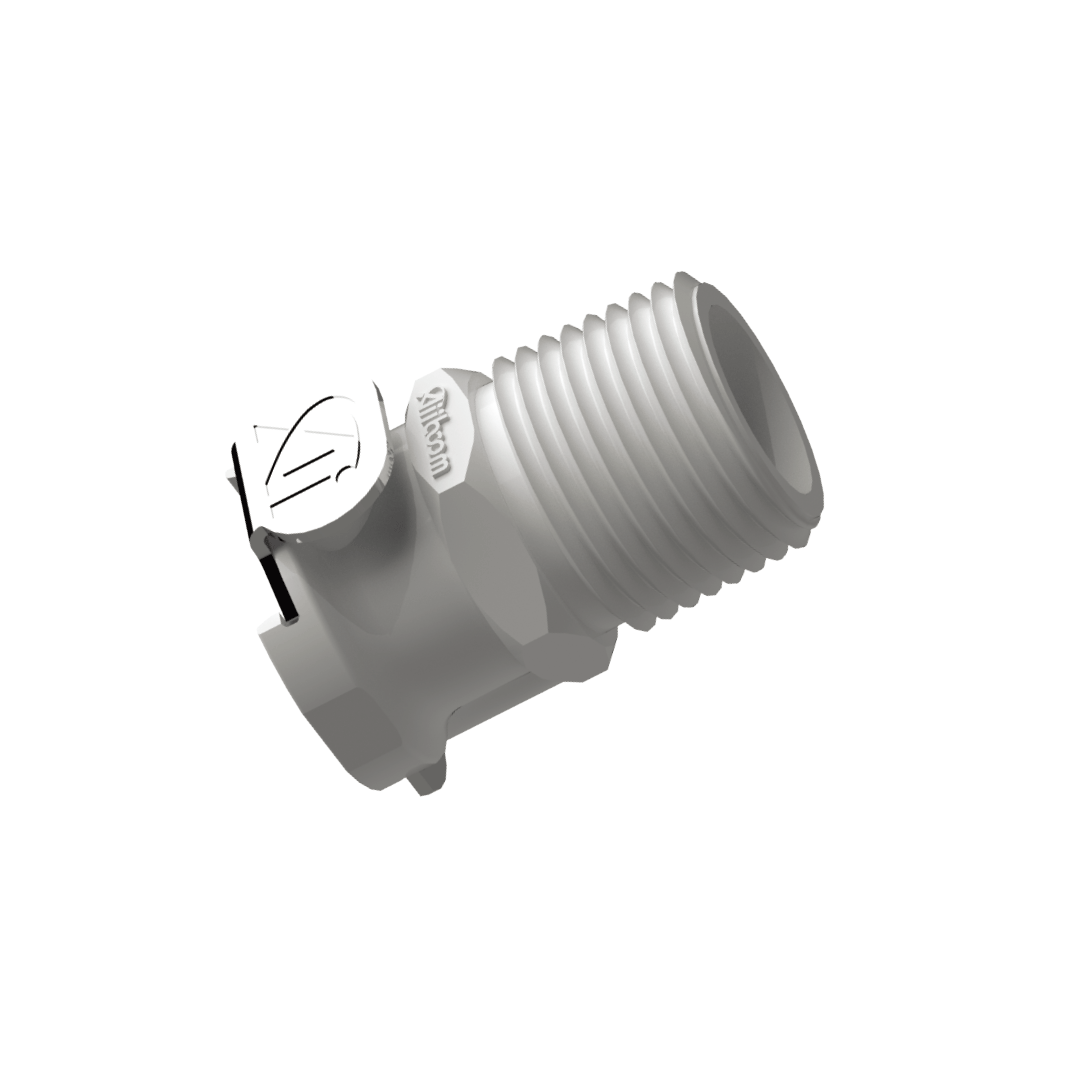
Tubing Assemblies supplied by AIIBOOM are designed as customized assembly solutions that can function as plug-and-play components within the customer's system. This approach helps reduce the guesswork associated with fitting and tubing troubleshooting because the manufacturer is not starting from loose tubing and fittings for every instrument.
The objective is not simply to make installation faster. It is to establish a more consistent process in which the same type of component can be integrated into the system repeatedly.
Supporting Faster Instrument Assembly
Production efficiency does not always come from making individual workers move faster. In many cases, it comes from reducing the number of steps they need to perform.
Consider a production line where an operator needs to assemble a tubing connection from several individual components. The operator may need to identify the correct parts, prepare the tubing, install fittings, check the connection, and position the completed tubing inside the instrument.
A pre-assembled component can consolidate several of these steps.
The operator can instead receive the required assembly and install it according to the instrument's work instructions. This can simplify the assembly sequence and allow production teams to focus on integrating the larger system rather than repeatedly performing the same tubing preparation work.
For manufacturers scaling production, this difference can become important. Simplifying repetitive assembly operations can help production teams maintain a consistent workflow as order volumes increase.
Customization Is Important for Different Instrument Designs
There is no universal tubing configuration for every instrument.
A compact diagnostic instrument may require a very different tubing layout from a laboratory analytical system. Medical equipment can also have specific space, routing, connection, and material requirements.
For this reason, customized assembly is often more useful than a standard tubing kit.
The supplier needs to understand the customer's application and produce the tubing component according to the required system configuration. This may involve different tubing arrangements, connection requirements, or dimensions depending on the equipment design.
AIIBOOM supports customized tubing assemblies for instrument manufacturers that need to scale their production. Rather than treating pre-assembled tubing as a generic component, the company provides customized solutions intended to work as part of the customer's overall system.
This makes the approach suitable for OEMs and equipment manufacturers that need repeatable components for established instrument designs.
From Prototype to Volume Production
Pre-assembled tubing can also support the transition from product development to commercial manufacturing.
During the prototype stage, engineers often modify tubing routes and connection configurations as the instrument design develops. Once the design is finalized, the manufacturer needs to convert that configuration into a repeatable production process.
A customized tubing assembly can become part of that standardized production configuration.
Instead of having production operators recreate the prototype's tubing arrangement manually, the approved configuration can be manufactured as a dedicated assembly. This creates a clearer connection between the engineering design and the production process.
As production volume grows, standardized components can also make procurement and production planning easier because the tubing assembly becomes an identifiable part of the instrument's bill of materials.
A Practical Choice for Medical and Analytical Equipment
The consistency benefits of pre-assembled tubing are especially relevant in applications where fluid routing is an important part of system operation.
Tubing Assemblies can be used in equipment associated with medical devices, life sciences, diagnostics, analytical instrumentation, and environmental applications. These systems often require compact and organized fluid paths, making consistent tubing configuration important for both production and servicing.
For manufacturers, the goal is to integrate the tubing solution into the equipment without creating unnecessary work at the final assembly stage.
A well-designed pre-assembled component can therefore serve as more than a collection of tubing and fittings. It becomes a standardized building block within the instrument.
AIIBOOM's Manufacturing and Engineering Support
AIIBOOM develops and manufactures precision fluid control components and customized solutions for demanding applications. The company has more than 20 years of industry experience and operates R&D centers in Shenzhen, China, and Sendai, Japan.
The two R&D centers provide complementary capabilities, with the Shenzhen team focusing on new technology development and the Sendai team concentrating on process optimization and engineering support. AIIBOOM also provides U.S.-based support for customers in North America.
Its manufacturing operations cover 20,000 m² across facilities in Dongguan, Guangdong, and Tongling, Anhui, China. ISO 9001 and ISO 14001 certified management systems support quality and environmental management across its manufacturing operations.
For customers requiring customized fluid-control components, this combination of engineering resources and production capacity provides a foundation for developing tubing solutions that can move from application requirements into repeatable manufacturing.
Building Consistency Into the Production Process
For instrument manufacturers, the value of pre-assembled tubing is ultimately connected to process control.
When tubing and fittings are repeatedly assembled by hand, the manufacturer has to manage more variables at the final assembly stage. When the tubing is prepared as a customized component, much of that work can be standardized before the component reaches the production line.
Tubing Assemblies therefore provide a practical way to improve repeatability, simplify installation, and reduce tubing-related troubleshooting in instrument manufacturing.
For companies moving toward higher production volumes, the question is not simply whether tubing can be assembled internally. It is whether every assembly can be reproduced consistently, efficiently, and with less unnecessary variation.
By using customized pre-assembled tubing as a plug-and-play component, manufacturers can make fluid connections a more controlled part of the overall instrument production process.