English
  cn
cn
When working with small-bore fluid systems, sealing performance depends on more than simply tightening a fitting. The washer, tubing dimensions, material compatibility, and machining accuracy all influence whether a connection remains stable during operation. For 1.6 mm tubing, these factors become especially important because the connection area is small and even minor dimensional differences can affect sealing.
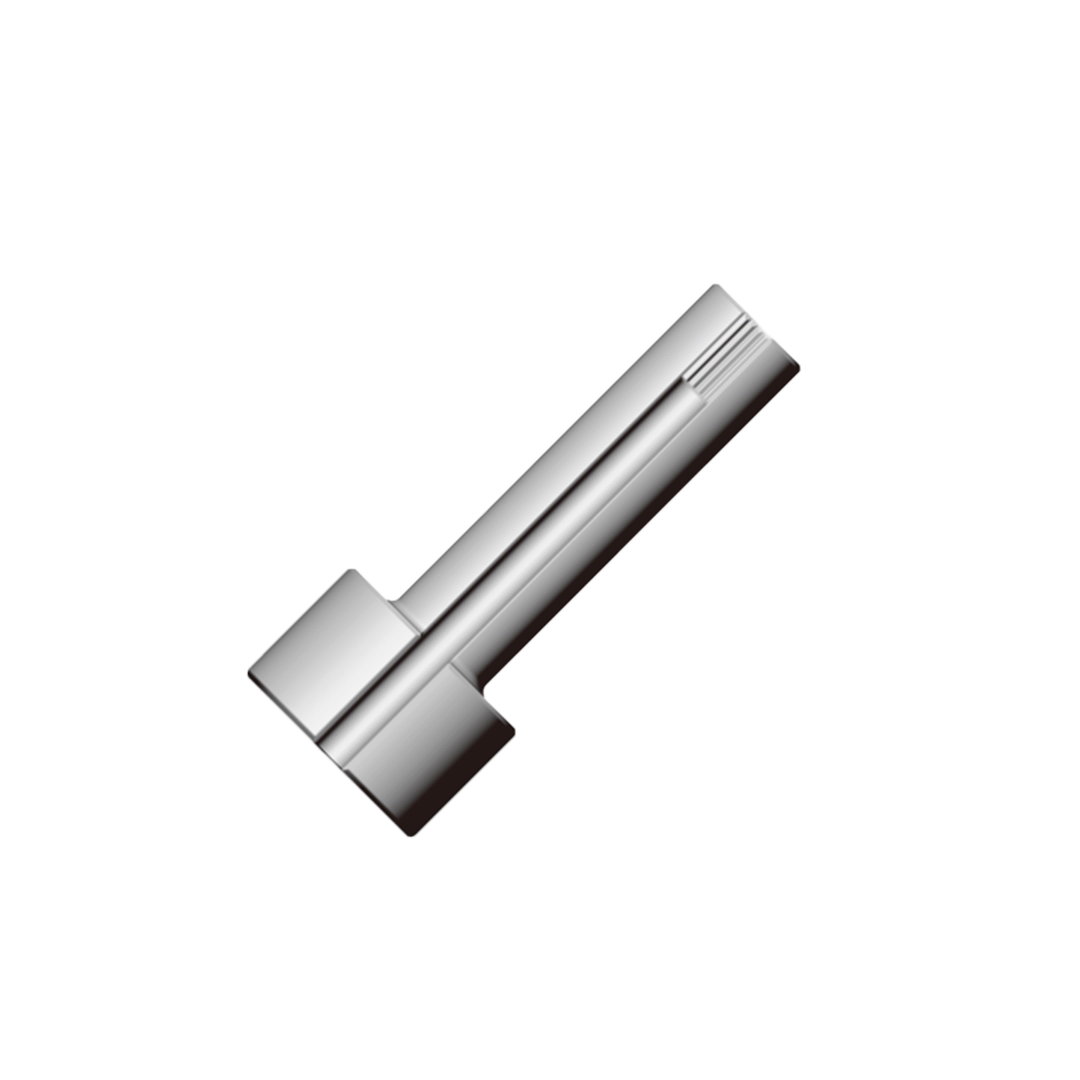
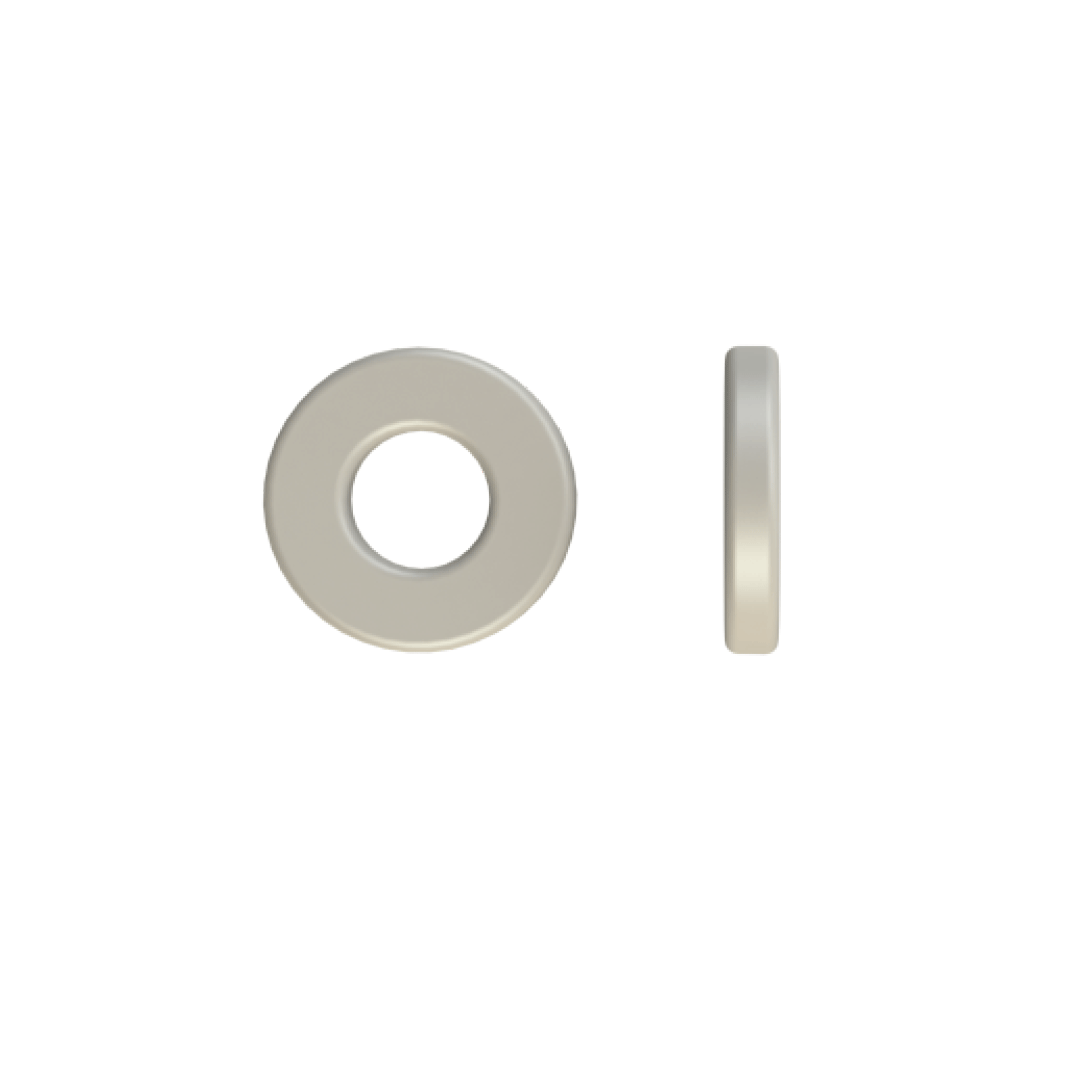
The Rigid Tubing Connections SH160-A is a PEEK washer designed specifically for 1.6 mm tubing applications. Its compact dimensions and precision-oriented construction provide a practical sealing component for fluid control assemblies where leakage, residue, and dimensional consistency need to be controlled.
Why Sealing Becomes More Critical with 1.6 mm Tubing
Small-bore tubing is widely used where fluid volume, space, or flow control needs to be tightly managed. However, reducing the tubing diameter also leaves less room for dimensional errors at the connection point. A washer that is too large, too small, too thick, or poorly matched to the tubing can create an uneven sealing interface.
For a 1.6 mm tube, the internal and external dimensions of the sealing component need to work together with the tubing and fitting geometry. The objective is not simply to create a tight mechanical connection. The contact surfaces need to form a consistent interface without unnecessarily deforming the tubing or creating paths through which fluid can escape.
This is where a precision washer can make a practical difference. By providing a defined sealing surface between mating components, the washer helps maintain the integrity of the connection while accommodating the dimensional requirements of the fitting assembly.
How PEEK Supports Precision Sealing
PEEK is commonly selected for precision fluid-handling components because it provides a combination of dimensional stability, chemical resistance, and mechanical performance suitable for demanding applications. For a washer used around small tubing, material behavior matters because the component must maintain its intended geometry during assembly and operation.
The SH160-A uses PEEK as its material and is designed for a 1.6 mm tubing OD. Its specified dimensions are 2.7 mm OD, 1.70 mm ID, and 1.4 mm thickness. These dimensions give engineers concrete parameters to consider when matching the washer with the rest of a fluid connection.
The natural color of the component also provides a straightforward appearance for applications where material identification and visual inspection are part of assembly or quality-control procedures.
Rather than relying on a generic washer size, selecting a component designed around the actual tubing diameter can reduce unnecessary variation between assemblies. This is particularly useful for manufacturers building repeated fluid-control systems where consistent assembly results are important.
Three Factors That Affect Leak-Free Performance
First, dimensional matching is essential. The tubing OD needs to correspond with the washer and fitting configuration. In the SH160-A configuration, the target tubing OD is 1.6 mm, while the washer has a 1.70 mm ID. This relationship is part of the overall connection design and should be evaluated together with the mating fitting.
Second, the sealing material needs to be appropriate for the operating environment. PEEK provides a robust engineering-material option for precision fluid components and can be considered when material compatibility and dimensional stability are important design requirements.
Third, assembly consistency matters. Even a well-designed washer cannot compensate for damaged tubing ends, contamination, misalignment, or excessive assembly force. Tubing should be prepared consistently, connection surfaces should be clean, and components should be assembled according to the requirements of the complete fitting system.
These practical details are particularly relevant in medical devices, analytical instrumentation, diagnostics, and life science equipment, where fluid connections may need to remain stable over repeated operating cycles.
A Broader Range of Tubing Connection Options
One advantage of using a defined product family is that engineers do not have to redesign the connection around one tubing size. The available range includes PEEK and SUS316 options for different tubing dimensions.
For example, SH215-A and SH215-C are designed for 2 mm tubing, with PEEK and SUS316 respectively. SH265-A and SH265-C support 2.5 mm tubing, while SH320-A and SH320-C are available for 3 mm tubing. There are also configurations for 3.2 mm tubing, including SH335-A, SH335-C, SH321-A, SH321-C, SH336-A, SH336-C, and SH340-C.
This variety allows engineers to compare material and dimensional requirements within a related product family rather than selecting unrelated components from different suppliers. It can also simplify sourcing when a system contains several tubing sizes.
For applications that require a metal option, SUS316 versions provide an alternative to PEEK. The choice between materials should be based on the requirements of the complete fluid path, including chemical compatibility, temperature, mechanical conditions, cleaning procedures, and system design.
Where Precision Tubing Washers Are Used
Precision fluid connections are found in equipment where controlled fluid movement is essential. Examples include medical diagnostic systems, analytical instruments, laboratory equipment, environmental monitoring devices, and life science systems.
In these applications, a small leak may create consequences beyond simple fluid loss. It can affect measurement accuracy, introduce contamination, interrupt a test, or require additional maintenance. A clean and repeatable connection therefore becomes part of the overall reliability of the equipment.
The zero-residue characteristic promoted for this product family is also relevant when clean fluid paths are important. Keeping the connection interface clean during assembly can help reduce unwanted contamination risks, although the appropriate cleaning and validation procedures should always be determined according to the specific application.
Precision Manufacturing Behind Consistent Components
Component quality is closely connected with manufacturing capability. AIIBOOM develops and manufactures precision fluid control components and customized solutions for medical devices, life sciences, diagnostics, analytical instrumentation, and environmental applications.
With more than 20 years of industry experience, AIIBOOM operates R&D centers in Shenzhen, China, and Sendai, Japan. The Shenzhen team focuses on new technology development, while the Sendai team specializes in process optimization. This structure combines product development with manufacturing-process improvement.
The company's manufacturing operations cover 20,000 m² across facilities in Dongguan, Guangdong, and Tongling, Anhui, China. ISO 9001 and ISO 14001-certified management systems support production and environmental management, while more than 20 patent certificates and cooperation with over 1,000 partners demonstrate the company's experience in precision component manufacturing.
For customers using small-bore tubing connections across multiple equipment platforms, this manufacturing background is important because consistency needs to extend beyond one individual component. Dimensional control, material selection, production processes, and quality management all contribute to the performance of the final fluid system.
Practical Selection Considerations for SH160-A
When evaluating a washer for a 1.6 mm tubing connection, engineers should first confirm the tubing OD and the required connection geometry. For SH160-A, the specified tubing OD is 1.6 mm, with a 2.7 mm washer OD, 1.70 mm ID, and 1.4 mm thickness.
The next step is to verify the material requirement. SH160-A is made from PEEK, while the wider product family includes SUS316 alternatives. The choice should reflect the actual media and operating conditions rather than being based on material preference alone.
Finally, the washer should be evaluated as part of the complete fitting assembly. Sealing performance depends on the interaction between tubing, washer, fitting surfaces, and assembly procedure. Reviewing these elements together is more reliable than selecting a washer based only on nominal tubing diameter.
A More Reliable Approach to Small-Bore Connections
For 1.6 mm tubing systems, reliable sealing comes from controlled dimensions, suitable materials, clean assembly, and compatibility between all connection components. A precision washer may be a small part of the overall system, but its geometry and material can have a direct effect on connection quality.
The Rigid Tubing Connections SH160-A provides a PEEK washer option for 1.6 mm tubing, with defined OD, ID, and thickness specifications for engineers who need a controlled component for precision fluid connections. When combined with appropriate tubing preparation and fitting assembly practices, it can support the consistent, leak-resistant connections required in demanding fluid-control equipment.
For projects involving different tubing diameters or material requirements, the broader SH-series selection also provides PEEK and SUS316 configurations across several common tubing sizes. This makes it possible to build a more consistent component strategy across different fluid-control assemblies while keeping dimensional requirements clearly defined.