English
 cn
In automated fluid handling equipment, the way a liquid moves through a system is just as important as how accurately it is dispensed. A syringe pump provides controlled liquid movement, while the valve determines how the liquid is directed between different ports, reservoirs and dispensing points. When several reagents need to be handled within one instrument, valve configuration becomes an important part of the overall fluid system design.
Rotary valves are widely used in syringe pump systems because they provide a practical way to switch between different fluid paths. However, selecting a suitable configuration requires more than counting the available ports. Engineers also need to consider the number of reagents, tubing layout, wetted materials, operating pressure and maintenance requirements.
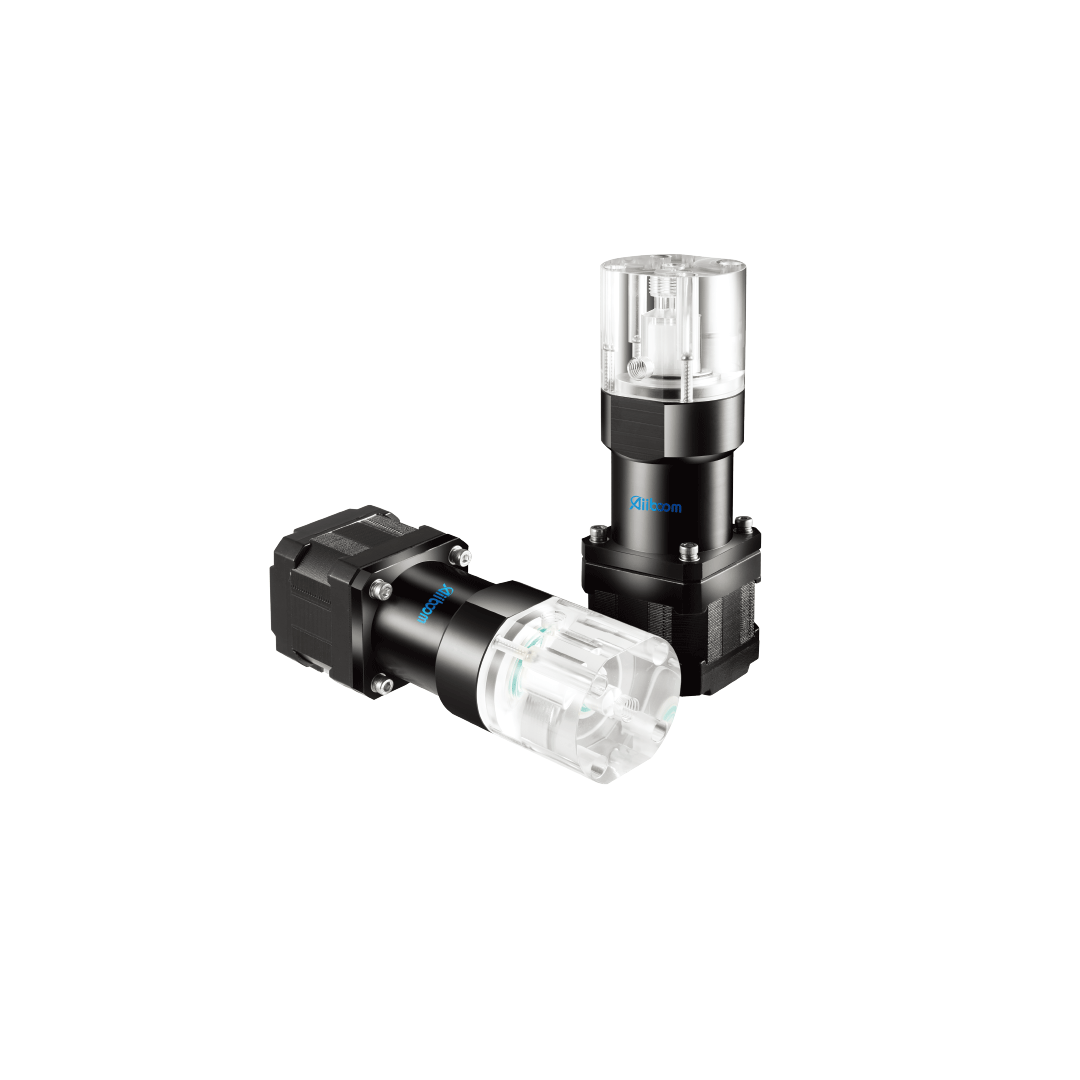
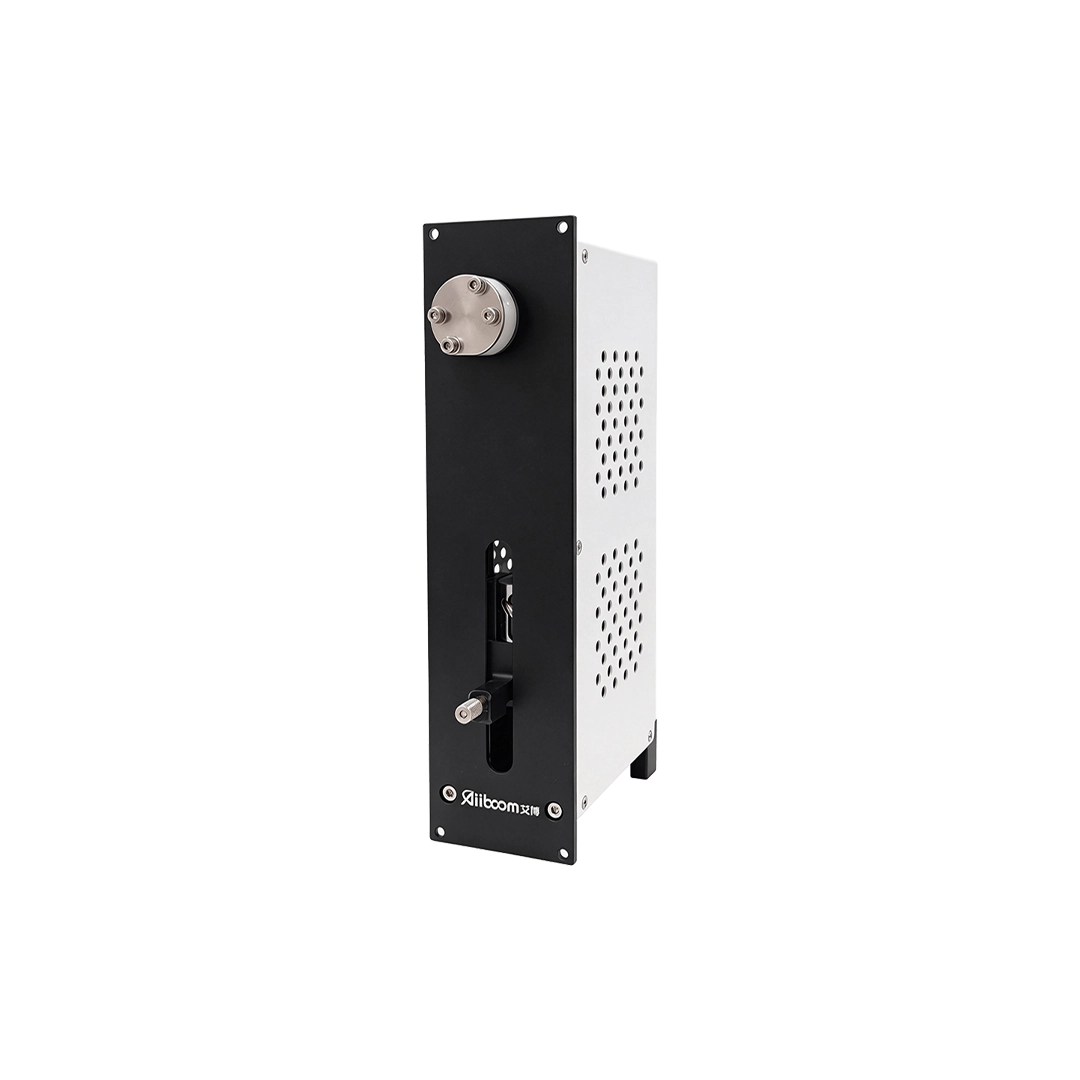
The Syringe Pumps PP60-S3-00 from AIIBOOM combine syringe-driven liquid handling with a rotary valve designed for reliable operation and convenient maintenance. Understanding how the valve works and how its port configuration affects fluid routing can help equipment developers make more suitable decisions when designing automated dispensing systems.
The Role of a Rotary Valve in a Syringe Pump
A syringe pump uses a motor-driven mechanism to move a syringe piston and control liquid intake or delivery. In a system equipped with a rotary valve, the valve changes the connection between the syringe and selected fluid ports.
This arrangement allows one pump to perform different operations according to the valve position and control sequence. For example, a system may draw liquid from a reagent reservoir, redirect the flow through a selected channel and then dispense it into a designated destination.
The rotary valve therefore acts as a fluid-routing component rather than simply an additional connector. Its internal flow paths determine which ports communicate with one another during each operating position.
In multi-reagent equipment, this function can simplify fluid handling by integrating several liquid connections into a compact assembly. Instead of designing a separate pumping arrangement for every reagent, engineers can evaluate whether a valved syringe pump configuration meets the system's routing and dispensing requirements.
Understanding Port Configuration and Fluid Path Selection
The number of valve ports determines how many external fluid connections can be accommodated by a particular configuration. However, more ports do not automatically mean better system performance.
A two-port configuration may be sufficient for a relatively simple intake and delivery arrangement. Systems that handle several reagents or require multiple selectable destinations may need more ports. Depending on the application, configurations with 4, 6, 8 or more ports can provide additional routing options.
AIIBOOM offers valve configurations with 2–12 ports, allowing equipment designers to select an arrangement according to the required fluid paths.
Before selecting a port count, engineers should map the complete fluid route. The following questions are useful:
How many different liquids need to be handled?
Does the system use separate reagent reservoirs?
How many dispensing destinations are required?
Does the process require switching between intake and delivery paths?
Are there washing, rinsing or waste-liquid connections?
Which fluid paths must remain isolated from one another?
Answering these questions helps avoid selecting a valve with too few connections or introducing unnecessary ports that complicate the tubing layout.
For PP60-S3-00, port selection should be considered together with the intended operating sequence. The objective is to establish a practical flow path that meets the equipment's requirements without making the system unnecessarily complicated.
Multi-Reagent Dispensing Requires Careful Fluid Routing
Multi-reagent dispensing is common in analytical instruments, diagnostic equipment and automated laboratory systems. A single instrument may need to handle several liquids with different functions, such as sample preparation reagents, calibration solutions, cleaning liquids or other process fluids.
In these applications, fluid routing affects more than the movement of liquid. It also influences the risk of carryover, the complexity of the tubing arrangement and the repeatability of the operating sequence.
A well-planned valve configuration should make each required connection clear and support the intended switching sequence. Engineers should pay particular attention to the internal flow path and the possibility of residual liquid remaining in shared passages.
Where different reagents are handled through a common fluid path, the system may require an appropriate flushing or cleaning procedure between operations. The procedure should be established according to the chemical properties of the liquids and the instrument's requirements.
It is also important to distinguish between the number of valve ports and the number of independently controlled pumping channels. A multi-port valve provides routing options, while channel configuration determines how many pumping paths are available. These are related but different selection factors.
The integrated multi-reagent dispensing solution offered by Syringe Pumps PP60-S3-00 provides a basis for designing compact fluid handling arrangements. The actual configuration should be matched to the number of reagents, required destinations and operating sequence of the finished instrument.
Rotary Valve Materials and Long-Term Reliability
The valve is exposed to the liquids passing through the pump, making material selection an important consideration. A material that performs well with one reagent may not be suitable for another.
When evaluating wetted materials, engineers should consider chemical compatibility, temperature, operating pressure, wear and the expected frequency of valve switching. These factors can influence the service performance of the valve and the stability of the complete fluid system.
AIIBOOM provides wetted material options including ceramic, PEI, PEEK, PCTFE and PVDF-equivalent materials. The appropriate choice depends on the actual liquid and operating conditions. Compatibility should be confirmed against the relevant material data and application requirements rather than assumed from the material name alone.
The rotary valve in PP60-S3-00 is designed for high reliability and quick maintenance. Its materials are carefully selected to support long product life. These design considerations are particularly relevant for equipment operating repeated reagent switching cycles.
For instrument developers, it is useful to evaluate valve materials early in the design process. Changing wetted materials after the fluid system has been finalized may require additional compatibility testing and design adjustments.
Other Parameters That Affect Syringe Pump Selection
Although valve configuration is central to fluid routing, it should not be considered in isolation. Several other parameters influence whether a syringe pump is suitable for a particular instrument.
Channel configuration
AIIBOOM offers single-, dual-, quad- and octa-channel syringe pump configurations. A single-channel design may suit a relatively straightforward dispensing task, while multiple channels can support more complex fluid handling requirements. The appropriate number depends on the number of independent pumping operations and the equipment's control architecture.
Stroke length
Available stroke options include 30 mm and 60 mm. Stroke length is one of the factors that determines the mechanical operating range of the syringe pump. It should be considered together with syringe bore diameter and the required liquid volume.
Syringe bore diameter
The bore diameter affects the relationship between piston movement and liquid displacement. It also influences flow resistance and the suitability of the syringe for different liquids. Selecting an appropriate diameter helps prevent excessive resistance and reduces the risk of problems associated with unsuitable fluid passages.
Operating pressure and switching performance
The pressure requirements of the application should be considered alongside tubing dimensions, fluid properties and downstream restrictions. Valve switching time is also relevant when the system performs frequent changes between reagent paths. These parameters should be evaluated under representative operating conditions.
Communication and System Integration
A syringe pump used in automated equipment generally needs to communicate with a central controller or other instrument components. The available communication interfaces therefore influence how easily the pump can be integrated into the overall system.
PP60-S3-00 supports RS232, RS485 and CAN communication, with a standard 24VDC power supply. These options provide flexibility for equipment developers working with different control architectures.
During integration, engineers should confirm the communication protocol, command structure, wiring requirements and controller compatibility. The electrical interface should also be considered together with the mechanical installation and fluid connections.
The standard 1/4-28UNF ports provide a defined connection specification for fluid system design. Engineers should still verify the matching connector, tubing and sealing requirements before finalizing the assembly. Correct interface matching helps avoid unnecessary modifications during equipment integration.
Practical Checks Before Finalizing a Valve Configuration
A structured evaluation can reduce design changes during prototype development. Before selecting a syringe pump and rotary valve combination, equipment developers should review the following points:
Map every required fluid path, including reagent intake, dispensing, cleaning and waste connections where applicable.
Determine the number of valve ports required by the actual operating sequence.
Confirm whether the system needs single-channel or multi-channel pumping.
Check the chemical compatibility of all wetted materials with the intended liquids.
Evaluate syringe size, bore diameter, stroke length and operating pressure.
Confirm connector specifications and tubing compatibility.
Verify communication and power requirements with the main controller.
Test fluid switching, flushing procedures and dispensing performance under representative conditions.
These checks help ensure that the selected configuration is suitable for the complete instrument rather than only one part of its operation.
AIIBOOM's Experience in Precision Fluid Control
Choosing a syringe pump supplier involves more than reviewing individual technical parameters. Equipment manufacturers also need consistent component quality, engineering support and manufacturing capacity to support product development and long-term supply.
AIIBOOM develops and manufactures precision fluid control components and customized solutions for medical devices, life sciences, diagnostics, analytical instrumentation and environmental applications. The company has more than 20 years of industry experience and operates two R&D centers in Shenzhen, China, and Sendai, Japan. The two teams focus on technology development and process optimization, providing complementary engineering capabilities.
Its manufacturing operations cover approximately 20,000 square meters across facilities in Dongguan, Guangdong, and Tongling, Anhui, China. Supported by ISO 9001 and ISO 14001 certified management systems, the company serves more than 1,000 partners and holds over 20 patent certificates. AIIBOOM also provides U.S.-based support for customers in North America.
For developers working on automated fluid handling equipment, Syringe Pumps PP60-S3-00 offer a combination of syringe pumping, rotary valve routing, multiple port options and communication interfaces. By matching the valve configuration with the actual fluid paths, reagent requirements and system control architecture, engineers can develop a more practical dispensing arrangement for their application.
The key is to treat valve selection as part of the complete fluid system design. Port count, wetted materials, syringe dimensions and switching requirements should all be evaluated together. This approach helps create a configuration that fits the instrument's operating needs while supporting reliable fluid handling throughout its intended service life.